
Article: Sea Buckthorn Oil: Benefits for Skin Explained

Sea Buckthorn Oil: Benefits for Skin Explained
Most botanical oils earn their reputation through one or two standout compounds. Rosehip is often associated with provitamin A and carotenoids. Marula is typically cited for its high oleic acid content. Sea buckthorn oil does something far more unusual: it delivers a fatty acid that your skin actually produces itself. That compound, omega-7 palmitoleic acid, is rare in plant-derived oils and structurally similar to the lipids found in human sebum. When an oil so closely mirrors your skin's own chemistry, it may act less like a surface treatment and more like genuine barrier replenishment.
At High Street Shoppe, sea buckthorn oil features regularly in our curated formulas, and that's not coincidental. The biochemistry is solid, the clinical data for barrier and inflammatory benefits is meaningful, and real-world skin response tends to follow. This article breaks down exactly what this oil does, how the seed and fruit versions differ, what to look for on an INCI list, and how to bring it into your routine without the orange-tinted pillowcase situation.
Why sea buckthorn stands apart from other botanical oils
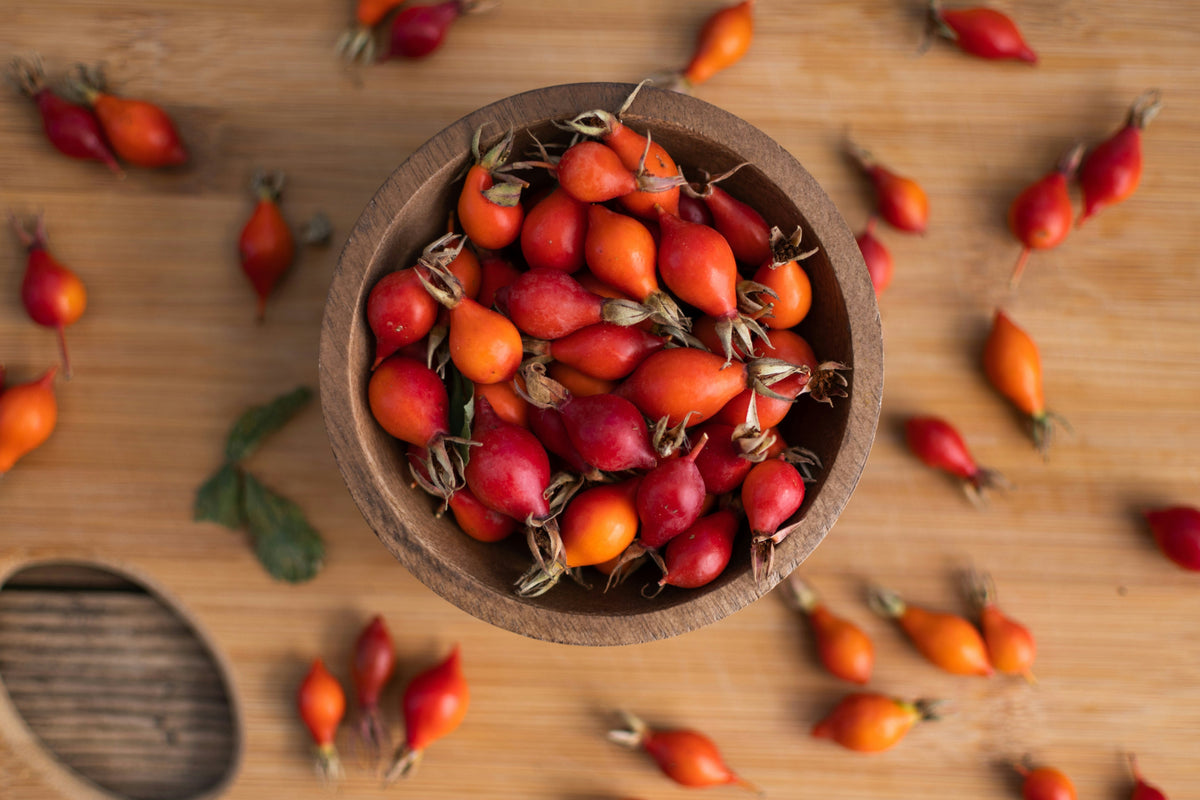
The first thing most people notice about sea buckthorn fruit oil is its color: a vivid, deep amber-orange that stains like turmeric and signals something significant. That color isn't a branding choice. It's a direct visual indicator of carotenoid density, and carotenoid density matters for what the oil can actually do on your skin.
The omega-7 factor: what palmitoleic acid actually does
Palmitoleic acid is a monounsaturated fatty acid that's relatively rare in plant oils. Your body produces it naturally as a component of sebum, which is why it's present in the skin's lipid layer throughout your life. Because its structure is closely related to what your skin already makes, topically applied palmitoleic acid may help replenish barrier lipids rather than simply sitting on the surface. Research on topical fatty acid delivery suggests it can support the lipid matrix that holds moisture in and keeps irritants out.
Sea buckthorn fruit oil contains palmitoleic acid in concentrations that most carrier oils simply don't match. This single fact separates it from the rosehip-and-marula crowd in a meaningful, mechanistic way rather than a merely marketing one.
Carotenoids, tocopherols, and the full spectrum profile
Beyond omega-7, the fruit oil carries a full supporting cast of bioactives. Carotenoids, the compounds responsible for that vivid orange-red hue, deliver antioxidant protection against free radicals and UV-related oxidative stress. Research shows cold-pressed fruit oil can contain carotenoids in the range of roughly 206 to 528 mg per 100 grams, compared to approximately 16 to 28 mg per 100 grams in seed oil. Tocopherols, encompassing several forms of vitamin E, reinforce the skin barrier and contribute to cellular repair. Phytosterols and squalene complete a profile that published reviews describe as exhibiting synergistic antioxidant and anti-inflammatory activity rather than being incidentally complex.
What sea buckthorn oil does for your skin
The clinical evidence is most solid in three areas: barrier repair, redness reduction in inflammatory skin conditions, and antioxidant protection. A fourth benefit, supporting even skin tone, is supported more by mechanism than by direct trial data, but the rationale is sound and the research direction is consistent.
Rebuilding a compromised skin barrier
A weakened barrier contributes to many chronic skin complaints: persistent dryness, reactivity, irritation that seems disproportionate to what triggered it. Sea buckthorn oil addresses this through its essential fatty acid profile, which delivers the lipid building blocks the barrier needs to reinforce itself. A 12-week randomized, double-blind, placebo-controlled trial in adult women found that palmitoleic acid supplementation significantly improved skin hydration and reduced transepidermal water loss (TEWL) at weeks 6 and 12, with additional improvements in elasticity. Topical application works in a complementary direction, delivering those fatty acids directly to the stratum corneum. For people managing eczema, chronically dry skin, or a barrier compromised by overuse of harsh actives, this is meaningful support.
Calming redness and reactive skin conditions
The anti-inflammatory action of sea buckthorn oil comes from the combined effect of its fatty acid profile and antioxidants, which work together to reduce inflammatory signaling in skin cells. Human trials in psoriasis have reported improved severity scores and quality-of-life outcomes over 4 to 8 weeks of use. Published reviews also describe its application in atopic dermatitis models and inflammatory skin conditions more broadly. This is adjunctive support, not a substitute for medical treatment. For persistent facial redness and sensitivity, sea buckthorn has documented anti-inflammatory and barrier-repair mechanisms that give it a credible evidence base, particularly compared to ingredients whose "calming" claims rest primarily on marketing.
Fading hyperpigmentation and supporting even tone
Sea buckthorn's route to more even skin tone differs from vitamin C or kojic acid. It doesn't brighten through tyrosinase inhibition or aggressive exfoliation. Instead, its carotenoids and antioxidants address the oxidative stress and inflammation that drive uneven pigmentation, particularly post-inflammatory hyperpigmentation (PIH). This makes it a sensible adjunct for sensitive skin types that can't tolerate more aggressive actives. It shouldn't be your primary PIH treatment if fading existing dark spots is the goal; niacinamide has stronger clinical support for that specific outcome and is gentler on reactive skin. Sea buckthorn pairs well alongside those targeted treatments, supporting the barrier conditions that help skin respond better overall.
Seed oil vs fruit oil: choosing the right one for your skin
If you've ever scanned an INCI list and seen both "Hippophae rhamnoides seed oil" and "Hippophae rhamnoides fruit oil" in the same product category and wondered which was which, you're not alone. These are genuinely different ingredients with different compositions and different strengths.
How the fatty acid profiles differ
Seed oil is richer in omega-3 (alpha-linolenic acid) and omega-6 (linoleic acid), making it well suited for essential fatty acid replenishment and general barrier strengthening. It's typically pale yellow to golden in color. Fruit or pulp oil is where the omega-7 and carotenoid concentration lives, which is why it's the stronger choice for skin conditioning, redness reduction, and antioxidant protection. Its color is significantly more orange, and while that hue is a useful indicator, it's an imperfect one: carotenoid levels vary by cultivar, harvest time, and extraction method, so two visually similar oils can still differ in measured potency. For the most accurate picture, a brand's Certificate of Analysis gives you actual carotenoid numbers rather than requiring you to rely on color alone.
Matching the oil to your skin concern
The right choice between seed oil, fruit oil, or a blend depends on what your skin needs most. For dry, dehydrated, or barrier-compromised skin, seed oil or a blend that emphasizes its essential fatty acid content is a strong starting point. Redness, inflammatory skin conditions, or post-inflammatory hyperpigmentation call for fruit oil's omega-7 and carotenoid concentration. For anti-aging and photoprotection, a blend capturing both profiles is often the most comprehensive approach, combining the seed oil's omega-3 and omega-6 richness with the fruit oil's palmitoleic acid and antioxidant density. On an INCI list, "Hippophae rhamnoides seed oil" and "Hippophae rhamnoides fruit oil" are distinct entries. Knowing the difference tells you whether a formula is actually delivering on its claims or using seabuckthorn oil as a token addition near the bottom of the list.
How to identify a genuinely clean sea buckthorn formulation
The words "natural" and "plant-based" carry no legal weight in Canada. A product can use those terms on its packaging regardless of how the oil was extracted, what solvents were involved, or whether any third party has verified a single claim on the label. This is where INCI literacy matters.
What cold-pressed, organic, and COA actually mean on a label
Cold-pressed extraction uses mechanical pressure at low temperatures with no added solvents. This approach preserves delicate fatty acids and carotenoids better than heat or chemical processing, which is especially important for an oil as biochemically active as sea buckthorn fruit oil. Solvent extraction, typically hexane-based, produces higher yields at lower cost but involves a more processed result that requires additional refining. "Certified organic" is the purity marker with the most regulatory teeth: it means the oil was produced without synthetic pesticides and is generally incompatible with solvent extraction methods. A Certificate of Analysis is the most valuable document a brand can share. It shows third-party test results for purity, identity, and contaminants, including actual carotenoid levels rather than just a color impression. If a brand won't provide one on request, that tells you something important about their commitment to transparency.
Why vetted formulas matter and where to find them
Even equipped with all the right label signals, verifying brand claims takes considerable research. Checking INCI lists against marketing language, requesting COAs, and confirming organic certifications is a meaningful undertaking, and you'd need to repeat it for every brand you consider. That's the gap High Street Shoppe was built to close. When a brand earns a place in the HSS roster, it's because it has already cleared those standards: full INCI disclosure, certified organic sourcing, and ethical manufacturing practices.
Evolve Organic Beauty is a useful illustration of how this looks in practice. Their Bio-Retinol + C Skin Booster includes Hippophae rhamnoides fruit oil as an active ingredient, positioned meaningfully within the formula rather than as a label decoration. The product's ingredient list reflects a formulation approach centered on actives and transparency. For Canadians looking for pure sea buckthorn oil Canada retailers have already vetted, HSS's curated collection removes the research burden. You can shop by skin concern, trust that the INCI list matches the marketing, and know that every product has been independently evaluated for ingredient integrity.
How to bring sea buckthorn oil into your routine
The practical hesitation most people have about sea buckthorn fruit oil is the orange color, and it's a fair one. The fruit oil is deeply pigmented and can temporarily tint pale skin if used undiluted. Most well-formulated products handle this by blending it with other carrier oils at a concentration that delivers the active benefit without the color payoff. If you're working with a standalone sea buckthorn berry oil or cold-pressed sea buckthorn carrier oil, start with a single drop blended into your moisturizer before bed.
Layering it without staining or overwhelming the skin
Apply sea buckthorn oil after water-based serums and before a heavier cream or balm. Its richness in oleic and palmitoleic acids makes it best suited to evening use for dry or mature skin. Used sparingly as a spot treatment during the day, it can also support reactive or sensitized areas without overwhelming them. That same richness can feel heavy on very oily or congestion-prone skin, so introduce it slowly and observe how your skin responds over the first two weeks.
Who benefits most and what to be aware of
Sea buckthorn oil is particularly well suited for dry, mature, or inflamed skin and for anyone addressing post-inflammatory hyperpigmentation alongside a soothing, barrier-first approach. People with acne-prone or congestion-prone skin should patch test carefully; oleic-acid-rich oils can sometimes worsen comedones, and a 24-hour patch test on the inner arm before applying to the face is always sensible with a new active-rich oil. If you take blood thinners or antiplatelet medications such as warfarin or aspirin, consult your healthcare provider before using sea buckthorn oil internally, as research notes it may amplify anticoagulant effects. Topical use is generally well tolerated; the medication caution applies specifically to oral supplementation.
The bottom line on sea buckthorn oil
Sea buckthorn oil earns its place in clean beauty formulas through genuine biochemistry. Its omega-7 content addresses the skin barrier at a structural level, its carotenoid density delivers meaningful antioxidant protection, and its clinical record in barrier repair and inflammatory skin conditions is backed by randomized controlled trial data and published reviews. Understanding the difference between seed and fruit oil, knowing what cold-pressed and certified organic actually verify, and being able to read an INCI list with confidence puts you in a position to choose formulas that deliver on their claims.
If you'd rather skip straight to formulas that have already cleared those hurdles, the team at High Street Shoppe has done that work. Reach out to our skincare specialists or explore our curated collection online to find clean, independently vetted sea buckthorn oil formulations matched to your specific skin concerns. Canadian shoppers are also welcome to visit us in Calgary for an in-person consultation with our certified esthetician, who can help you build a routine around this ingredient with precision rather than guesswork.