
Article: Best Natural Alternatives to Retinol for Anti-Aging

Best Natural Alternatives to Retinol for Anti-Aging
If you've been asking what is the best natural alternative to retinol for anti-aging, you're not alone, and the answer has become considerably more compelling in recent years. Retinol has a well-earned reputation as one of the most studied anti-aging ingredients in skincare. But for a growing number of people, the results come at a cost: peeling, redness, a months-long adjustment period, and an outright ban during pregnancy and breastfeeding. That frustration is real, and it has pushed clean beauty researchers to look more seriously at plant-based alternatives that work through overlapping pathways without the same risks. Randomized clinical trials on bakuchiol and early data on ingredients like Silybum marianum extract have moved the conversation well beyond wishful thinking. At High Street Shoppe, we curate natural skincare based on both clinical evidence and careful ingredient review, so what follows is grounded in the research and in hands-on familiarity with the products themselves. Whether you are managing sensitive skin, navigating pregnancy, or simply looking for a more sustainable approach to anti-aging, there is a thoughtful path forward.
Why retinol's side effects have people looking for something better
What retinol actually does to your skin cells
Retinol works by converting to retinoic acid once absorbed, which then activates retinoid receptors inside skin cells. That receptor signaling accelerates cell turnover, increases collagen-related gene expression, and reshapes the extracellular matrix over time. The results are real and well-documented across decades of research. The adjustment period, however, is equally real: the same receptor-driven intensity that drives those results also triggers scaling, stinging, and a temporary compromise to the skin barrier.
Why the irritation is a real barrier, not just sensitivity theater
For people with reactive, rosacea-prone, or barrier-compromised skin, retinol's side effects are not a minor inconvenience. Photosensitivity means it requires careful sun protection, and it is contraindicated during pregnancy and breastfeeding due to concerns about systemic retinoid exposure. These are legitimate clinical reasons to seek a natural alternative to retinol for anti-aging, not signs of a low pain threshold. It was exactly this combination of irritation risk and pregnancy restriction that moved clean beauty researchers toward phyto-retinoids and botanicals with overlapping anti-aging mechanisms, and those efforts have produced some genuinely compelling options.
What is the best natural alternative to retinol for anti-aging? Bakuchiol explained
What the clinical trials actually showed
Bakuchiol is the clear frontrunner among plant-based retinol alternatives, and it earned that position through a prospective randomized double-blind study, not through marketing language. In that 12-week trial, participants using 0.5% bakuchiol cream twice daily achieved wrinkle surface area reduction and hyperpigmentation improvement that was statistically comparable to a 0.5% retinol cream. The tolerability difference, however, was significant: the retinol group reported notably more facial scaling and stinging. A separate emerging candidate, Silybum marianum extract, has shown a forehead wrinkle reduction of roughly 21% in early clinical work, but its evidence base is much smaller than bakuchiol's at this point.
How bakuchiol works without being a retinoid
Bakuchiol does not activate retinoid receptors directly. Instead, it influences many of the same downstream pathways, including collagen synthesis, antioxidant activity, and extracellular matrix support, through a different mechanism. That distinction is why it is generally better tolerated than retinol, with trial data showing less scaling and stinging than the retinol group experienced. Many users report that a well-formulated bakuchiol serum absorbs smoothly, without the warmth or tingling that often signals a retinol product at work. It is a different sensory experience, and for sensitive skin, a much more welcoming one.
What to look for in a bakuchiol product
The clinical evidence centers on a 0.5% concentration, so look for formulations that either disclose this level or position bakuchiol prominently on the ingredient list. Stability in the formula matters: bakuchiol can degrade in poorly designed bases, so the formulation, packaging, and supporting actives all affect how well it performs. The good news is that bakuchiol pairs naturally with many of the ingredients covered in the next sections, which means it slots into a multi-active routine without much friction.
Rosehip oil, sea buckthorn, and the case for vitamin A-rich botanicals
What rosehip oil's provitamin A content means for aging skin
Cold-pressed rosehip seed oil contains beta-carotene and trace amounts of all-trans retinoic acid, the same molecule found in prescription tretinoin, though at concentrations far below therapeutic retinoid levels. This is not a clinical substitute for retinol therapy. What it does offer is a meaningful supportive role: those retinoid-associated compounds, combined with a linoleic-acid-rich fatty acid profile, link rosehip oil to cell repair, collagen support, and fine line softening in ingredient-level evidence. Applied as a nourishing partner in a routine anchored by an active ingredient, a few drops of rosehip oil pressed into damp skin adds a lightweight layer of antioxidant and fatty-acid support. It works best alongside actives rather than standing in for them.
Sea buckthorn and carrot-derived oils: what they add to the picture
Sea buckthorn seed oil is notably richer in total carotenoids than rosehip oil, with comparative analyses reporting carotenoid concentrations several times higher, though exact figures vary by source and processing method. Its palmitoleic acid content and dense antioxidant lipid profile make it a genuine skin-barrier ally, with in vitro evidence supporting photoprotective and anti-inflammatory activity; clinical human data are more limited, so it is best framed as a well-supported complementary ingredient rather than a standalone active. Carrot seed oil is primarily valued for its antioxidant properties rather than provitamin A delivery. Together, these oils reinforce an anti-aging routine rather than anchor it, think of them as the nourishing, restorative layer that supports whatever actives you are using.
The supporting ingredients that make natural anti-aging routines actually work
Niacinamide, peptides, and vitamin C: different tools, genuine results
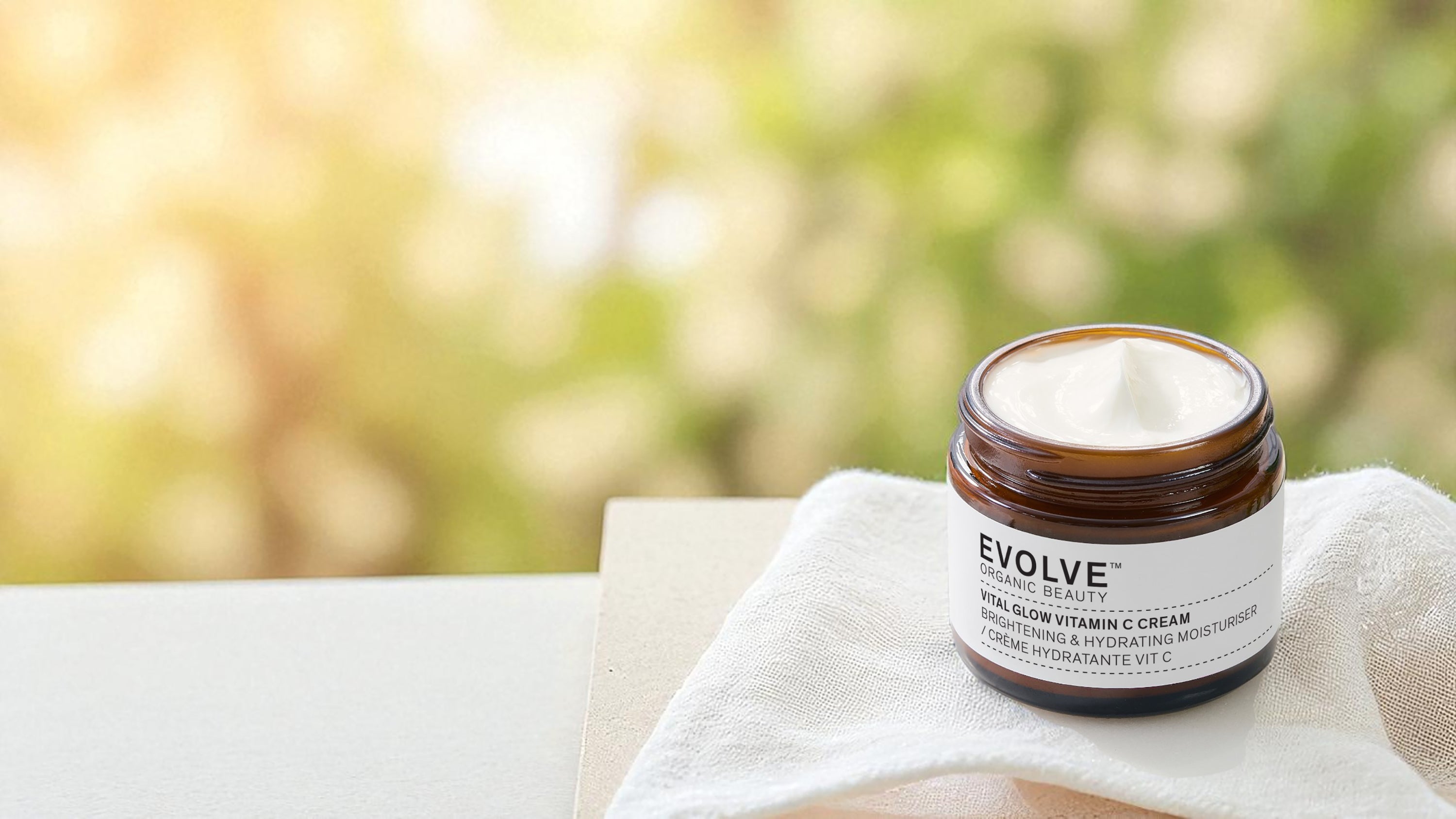
None of these three ingredients replicate bakuchiol's retinol-like downstream activity, but each one contributes something distinct. Niacinamide supports the skin barrier, reduces inflammation, and improves uneven tone through an indirect but well-established mechanism. Peptides signal skin cells to produce collagen and support repair pathways; the evidence is gentler than retinol but real. Vitamin C works primarily as an antioxidant and brightening agent, protecting against oxidative damage and helping address pigmentation. Together, they build the supporting structure around a bakuchiol anchor, a complete routine where niacinamide defends the barrier, peptides reinforce collagen signaling, and vitamin C addresses environmental damage.
The pregnancy-safe anti-aging routine: what is confirmed safe
If you are pregnant or breastfeeding, dermatology consensus is fairly clear on what you can use: vitamin C, hyaluronic acid, niacinamide, peptides, azelaic acid, and gentle AHAs at typical skincare concentrations are widely considered compatible with pregnancy. Mineral sunscreen with zinc oxide or titanium dioxide is also a core anti-aging step for this group, since UV protection is one of the most consistently supported tools for preventing photoaging. Bakuchiol is frequently cited in dermatology-facing literature as a plant-based retinol alternative for those avoiding retinoids, but it is important to note that direct pregnancy safety trials are lacking. The absence of known harm is not the same as confirmed safety, so a conversation with your healthcare provider is always the right first step before introducing any new active during pregnancy.
How to layer natural retinoid alternatives into your daily routine
A morning routine built around botanical brightening
In the morning, lead with a vitamin C serum for antioxidant protection and brightening support. Follow with a niacinamide-containing moisturizer or serum to reinforce the barrier and address tone. Finish with a mineral SPF as the non-negotiable final step. Bakuchiol can be used in both morning and evening routines without the photosensitivity concern that comes with retinol, so if your bakuchiol product is lightweight enough, it fits comfortably here as well.
An evening routine centered on bakuchiol and facial oils
A solid evening sequence looks like this:
- Cleanse thoroughly to remove SPF and environmental residue.
- Apply your bakuchiol serum or treatment at the 0.5% target concentration.
- Layer a peptide serum if using one, following the individual product's texture guidance.
- Press a few drops of rosehip oil over the top as a finishing moisture seal.
Bakuchiol is generally better tolerated than retinol and many users can apply it daily from the start without the low-and-slow buffering that retinol typically demands. That said, if your skin is particularly reactive, a patch test and a gradual introduction are always sensible precautions. Let the supporting oils and moisturizers follow once your bakuchiol step has absorbed.
What not to combine and why
A few practical notes worth keeping in mind: high-strength AHAs used on the same evening as bakuchiol may be overstimulating for reactive skin, so consider alternating evenings if you use a potent exfoliating acid. Vitamin C and niacinamide can be used together without concern despite older advice suggesting otherwise; dermatology reviews confirm that the niacin-flushing reaction that sparked that myth occurs under conditions not relevant to typical skincare use. Introduce new actives one at a time, stay consistent, and give each addition at least six to eight weeks before assessing results.
How to choose the best natural alternative to retinol for anti-aging
The right choice depends on your skin's specific concerns and tolerance. For most people seeking a well-evidenced natural retinol alternative for anti-aging, bakuchiol at 0.5% is the logical starting point: it has the strongest clinical backing, the broadest skin-type compatibility, and the most flexible layering profile. Botanical oils like rosehip and sea buckthorn work best as complementary layers rather than primary actives. Niacinamide, peptides, and vitamin C fill out a routine that addresses aging from barrier health, collagen signaling, and antioxidant protection simultaneously. If you are pregnant or managing a sensitive condition, that conversation with your healthcare provider should happen before the routine does.
Where to find vetted natural anti-aging skincare in Canada
Neal's Yard Remedies Frankincense Intense: an anti-aging collection worth knowing
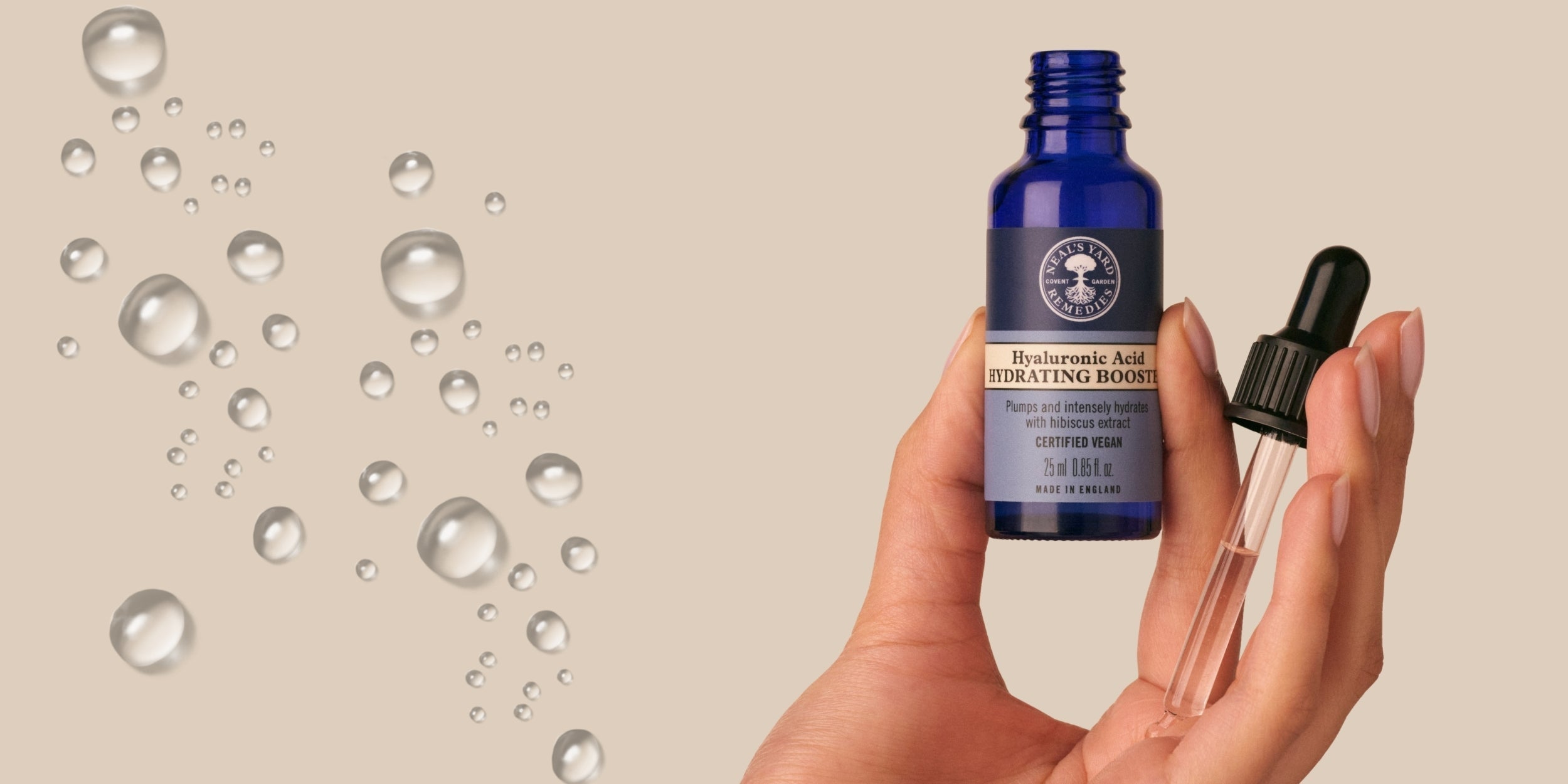
The Frankincense Intense collection from Neal's Yard Remedies is built around sustainably sourced frankincense resin, specifically Boswellia-derived extracts rich in boswellic acids and polyphenols with antioxidant and collagen-protective properties noted in compositional research. The collection pairs frankincense's firming and environmental-stress-defense benefits with tri-peptide complexes, hyaluronic acid, and plant stem cell actives. The finished formulas include a meaningful proportion of certified organic ingredients, and the sensorial experience reflects that quality: rich, grounding textures that feel deliberate and restorative in the hand. The Frankincense Intense line is formulated to be compatible with bakuchiol-based routines, making it a practical complement for those building a layered natural anti-aging approach. It is carried through High Street Shoppe for Canadian shoppers.
Why High Street Shoppe's curated selection takes the research off your plate
High Street Shoppe's ingredient standards exclude synthetic fragrances, parabens, silicones, and opaque preservatives, a clear policy applied across the brands we stock. You can shop by skin concern, whether that is fine lines, firmness, dullness, or hyperpigmentation, rather than spending an hour cross-referencing INCI lists on your own. The natural anti-aging skincare collection is the logical starting point if you are building or refreshing a routine, and every order comes with three complimentary samples so you can try a new bakuchiol formula or vitamin C serum before committing to the full size. Reach out to our team if you want personalized guidance, or book a holistic botanical facial with our certified esthetician in Calgary for hands-on skin assessment and product recommendations tailored to exactly what your skin needs right now.
Your skin deserves a thoughtful approach, not just a gentler retinol
Retinol does not have to be the only path to visibly younger-looking skin. When considering what is the best natural alternative to retinol for anti-aging, bakuchiol belongs at the center of that conversation: it brings genuine clinical evidence, with wrinkle and pigmentation results comparable to retinol and a tolerability profile that actually suits sensitive skin. Rosehip and sea buckthorn oils layer in real fatty-acid nourishment and provitamin A support. Niacinamide, peptides, and vitamin C each contribute to a routine that works with your skin rather than pushing it into an irritation cycle.
The best natural approach to anti-aging is not a single hero ingredient. It is a thoughtfully assembled routine where each element reinforces the next, chosen based on evidence and careful ingredient review. That is what we build at High Street Shoppe. Take a look at the natural anti-aging collection, request your complimentary samples, and give your skin the steady, evidence-backed care it deserves.